

Conservation of biodiversity on the outskirts of Mole National Park (Ghana) through the development of green industries
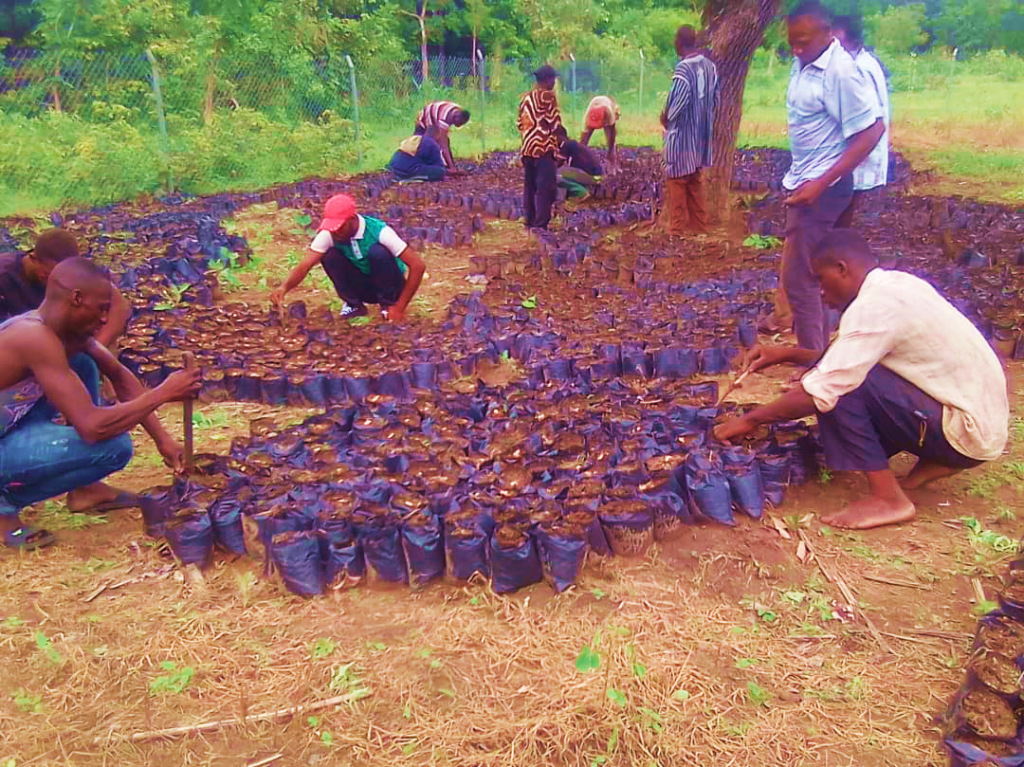
Coalition for Development of Northern Ghana, (NORTHCODE) is a Ghanaian Non-Governmental Organization (NGO). She working in the area of biodiversity Conservation and Rural Livelihoods reinforcement activities in the Jelinkon Community Resource Management Area (CREMA). NORTHCODE’s initiatives are focused at addressing challenges in biodiversity conservation, and rural livelihoods faced by populations living on the fringes of the Mole National Park, in the Savannah Region in Northern Ghana. With funding from IUCN/PPI 5, NORTHCODE is implementing an 18-month project dubbed “Biodiversity Conservation of Mole National Park’s periphery through Community-based Resource Management and Green Livelihoods Development” It is aimed at securing the ecological integrity of the Mole National Park (MNP) through more inclusive and effective governance and management of natural resources and development of green livelihoods in off-reserve areas. NORTHCODE project site is the Jelinkon CREMA, consisting of ten (10) communities fringing the Mole National Park (about 4 840 km²) located in the Guinea savannah agro-ecological zone of West Africa. The climate of the CREMA area is tropical continental with a rainfall pattern characterized by a single wet season which starts from April to October. The rest of the year is very dry with almost no precipitation. The vegetation in targeted CREMA area is predominantly Savannah vegetation with Parkia and Shea trees being some of the most important economic tree species. Environmental Context and Threat Within the fringe communities and beyond, human activities have been limited to localized farming and the collection of fruits, firewood, and honey-harvesting as well as annual bush burning. Ostensibly, the project area has been subjected to annual bushfires that devastate large tracks of the woodlands, increasing human activities in the ‘struggling’ ecosystem, continuous poaching activities, and increasing exploitation of natural resources for food and income by fringe-communities of the Park. In recent times, sustained deforestation for specific timber species mainly Rosewood and other timber species for foreign markets is rapidly degrading the Jelinkon CREMA. It is obvious that the natural resource base in the Mole National Park, the Jelinkon CREMA and its surrounding fringe community’s needs to be far more prudently managed than it is for now. The need for biodiversity conservation and livelihood reinforcement options is even more compelling and demanding in the wake of the influx in Northern Ghana by the Fulani pastoralists with large herds of cattle that within a few weeks, devastate large acres of fragile and vulnerable natural savannah vegetation on the fringes of the Park including the Jelinkon CREMA. All these resource exploitations in fringe communities and others is a major threat which is gradually undermining the conservation goals for off- and on-reserve parklands. Socio-Economic Context The Jelinkon CREMA and other Communities depend largely on the biodiversity of the ecosystems around them for their livelihoods and survival. Harvesting of Dawadawa (Parkia biglobosa), Shea (Vitellaria paradoxa), Non-Timber Forest Products (NTFPs), hunting of game, wild honey harvesting all constitute key sources of livelihood during the long dry season and provide an important safety net. Non-farm activities provide substantial additional income streams for men and women during the lean season such as agro-processing, commerce, charcoal production, firewood gathering among others. Agro-processing, which is mostly carried out by women is generally pursued through traditional methods and on very small-scale bases. These activities which are the inhabitant’s socio-economic source of living have adversely affected the environment of the CREMA intervention area and threaten the existence of the natural biodiversity. Intervention with funding from PPI 5, NORTHCODE’s project intervention is anchored on three strategic objectives : – Enhance beekeeping value chain as an incentive towards conservation within the Jelinkon CREMA in the Sawla Tuna Kalba District in the Savannah region of Ghana – Reinforce community-led governance of natural resource and contribute to biodiversity conservation and sustainable use of natural resources in 15,000ha of community-lands fringing the Mole National Park. – Sustain the model through information sharing, skill share and knowledge exchange. So far, 22 well organized honey producer groups in multiples of 10 per group totaling 220 beneficiaries (65% women 35% men) have been set up. A total of 100 bee hives and stands and other accessories including overall suits, wellington boots, hats and veil, smokers, hand gloves, locally made extractors among others were procured and distributed to all 22 groups. Tailor made training of beneficiaries on apiary establishment and management, honey harvesting, processing and packaging has been organized severally for producers with the aim of enhancing their capacities in the honey value chain. Within the period, all defunct Community Resource Management Committees, (CRMCs) and CREMA Executive Committees (CECs) were revamped to be more effective and functional. In addition, a total 50 Community members were identified and selected as CREMA Patrollers. With practical and technical support from the Mole Park, all 50 patrollers under went training on patrol duties and data collection and analysis. This is to equip patrollers with the needed skills to continuously patrol and monitor illegal activities in the CREMA core zones and to ensure the CREMA is protected. As part of efforts to restore lost biodiversity, 10,000 seedlings consisting of kapok, balanites and pakia were raised and transplanted in degraded lands within the CREMA. A nursery has been established for the communities to continue to raise seedlings for the restoration of degraded lands. NORTHCODE organized several workshops involving relevant stakeholders including NGOs, traditional authorities, Government agencies etc aimed at learning and sharing experiences and to effectively collaborate to addressing the devastating effects of the rapid biodiversity loss. A one-day safari was organized for the Jelinkon CREMA Community members to the Mole National Park to offer community members the opportunity to have a feel of the natural vegetative ambiance of the well protected Park reserve. NORTHCODE plans more training opportunities for patrollers and producer groups into the foreseeable future and needs support from philanthropists and donors.
New forest areas under community management in Walikale Territory in North Kivu, Democratic Republic of Congo
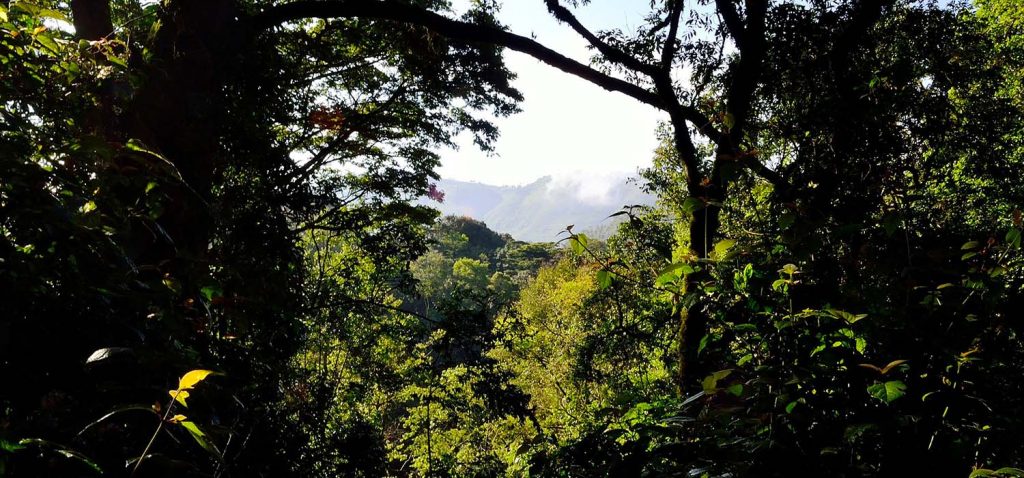
The Forestry Code of the DRC in its article 22 stipulates that a local community may, at its request, obtain as a concession, part or all of the forest regularly held under custom. It is in the context of the materialization of this article that on July 7, 2020, the Governor of the North Kivu Province signed four decrees awarding forest concessions to local communities (CFCL) Banisamasi, Basengele, Bananzigha and Bafuna-Bakano, from the Bakano Sector in Walikale Territory after eighteen years of support of this process by the NGO Forêt pour le Développement Intégral, in acronym FODI, PPI partner since the end of 2019. To date, the DRC has 70 CFCL already allocated to the Communities, including seven in North Kivu. With an overall area of about 120,260 ha, these CFCLs are home to the last populations of Grauer’s gorillas living outside the PNKB, and chimpanzees as well as a diverse range of wildlife and floristic species. In addition, three of these CFLCs are contiguous to the Kahuzi-Biega National Park (PNKB) in its northern part; this reinforces the conservation of this UNESCO World Heritage. The management phase of these CFLCs is already coming with several challenges in supporting local and indigenous communities for the sustainable use of forest resources, the conservation of endemic animal species and socio-economic development.
Conservation of wooded hills, habitat of chimpanzees in Bossou, Guinea, West Africa
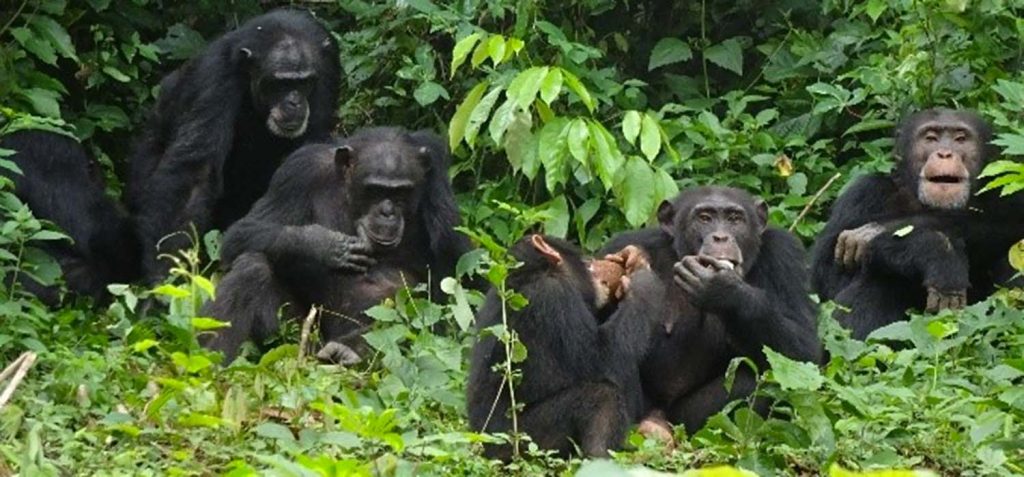
Located in the Lola Prefecture, the forest hills of Bossou (320 ha) are part of the Nimba Mountains Nature Reserve, listed as a UNESCO World Heritage Site. The vegetation covers at the foot of these hills is connected to small adjacent forests that are home to a community of chimpanzees, a critically endangered species. Bossou and the surrounding villages are a rare example of a site where chimpanzees and the local population have coexisted relatively in good harmony for several generations, sharing the resources of the same forest. Despite long-term protection efforts, Bossou’s chimpanzees are currently isolated from the chimpanzee populations of the neighboring Nimba Mountains, which creates a serious problem of viability for this community. The patches of natural forest that these hills still bear have been damaged, however the habitat has been under intense pressure and poses a serious threat to the survival of chimpanzees. In view of this situation, the NGO AUDER in partnership with the PPI is providing support to the Bossou Environmental Research Institute (IREB) in its program to restore the green corridor. The project aims to: (i) Increase the knowledge of communities on threats to the habitat of chimpanzees to promote their participation in conservation efforts; (ii) Prevent and ensure the management of bush fires around the corridor and in neighboring communities; (iii) Improve the efficiency of the reforestation effort underway in the corridor, carry out agro-forestry plantations and (iv) Promote best agricultural practices through the development of income-generating activities (IGA). To date, PPI support has made it possible to carry out the following activities: Increase the knowledge of communities on the threats to the habitat of chimpanzees and promote their participation in conservation efforts To increase the knowledge of communities on the threats of extinction facing chimpanzees in Bossou, AUDER supervisors sensitized 1,337 people in neighboring communities through meetings, village assemblies and radio broadcasts. These messages prompted a strong mobilization of the communities in the management of fires and their engagement in the realization of agro-forestry plantations in the savannah zones as a measure to fight against savannah and bush fires. Also through spaces for dialogue and exchange, AUDER brings together local elected officials, opinion leaders, technical services and actors working in the area on specific conservation issues. To this end, three community forums were organized bringing together a total of 101 people and made it possible to define strategies for the prevention and management of bush fires in the Nimba Mountains, and to draw up a memorandum of understanding for the protection of wooded hills. This agreement has been signed by all stakeholders (AUDER, IREB, CEGENS, DPEEF and communities). Prevent and ensure the management of bush fires around wooded hills and the corridor and in neighboring communities Bushfires are the main threat to the habitat of chimpanzees and a limiting factor for the completion of the corridor restoration program. To do this, a fire brigade of 40 members was set up and made operational through two training sessions organized on measures for the prevention and management of bush fires and the technical itineraries for setting up an agro plantation forest. Also work equipment and materials were provided to the members of the brigade (wheelbarrows, machetes, helmets, file, watering cans, dabas, pairs of boots, raincoats and pairs of gloves). The brigade has been structured, it has the legal documents (statute and internal regulations and approval); it is supported in the field by 2 supervisors and 6 guides from the IREB for the prevention and management of fires. The project supports the IREB in the construction of firewalls (20m wide and 600m long protective strip) which limits the corridor and in clearing and cleaning thanks to the mobilization of the three neighboring villages (Bossou, Nyon and Serengbara). Improve the efficiency of the current reforestation effort and promote agroforestry to reduce pressure on the hillside This action aims to produce quality forest and agro-forestry plants for the reforestation of degraded areas and also to provide neighboring villages with high-performance plant material for the establishment of agro-forestry plantations around the wooded hills of Bossou and the corridor. A nursery of 23,000 agro-forestry plants (coffee, cocoa, palm, cashews) and a few forest plants has been installed in Theassou for the 2021 reforestation campaign thanks to the financial support of PPI partners. The creation of agro-forestry plantations should make it possible in the long term to significantly reduce the risk of fires in the wooded hills, protect the reforestation activities already carried out and prevent the gradual advance of the savannah in the area. For AUDER, it is a question of reducing cropping systems on the hillside while integrating them into sustainable production systems and ensuring the social and economic promotion of the actors concerned Project support made it possible to reforest 11.5 ha in the corridor and 21.9 ha of agro-forestry plantations built around the corridor. This activity is part of a local dynamic of conservation and improvement of the living conditions of the populations bordering the corridor. Promote best agricultural practices to reduce pressure around the hills and the corridor AUDER provides support for the reconversion and specialization of some farmers through the promotion of local income-generating initiatives in order to reduce pressure on the hillside. The intensification of vegetable cultivation is helping to meet the need for increasingly scarce vegetables and improve women’s incomes. In the same context, the NGO is developing fish-farming rice facilities to allow rice and fish to be grown in the same location in order to reduce cultural nomadism. 134 members of market gardening groups, Village Savings and Credit Associations (VSLAs) and rice-fish farming have been trained in composting techniques for market gardening, development and development of rice-based farms. Today, 13 are already practicing the lessons received in composting, making boards, setting up a market garden nursery and fertilizing ponds on their sites. The project provided them with tools and agricultural inputs (wheelbarrows, machetes, pickaxes, plastic bags for coffee, cocoa and palm trees, cords, rakes, shovels, dabas, hoes, watering cans,
PPI OSCAN: a key player in civil society’s engagement in North Africa
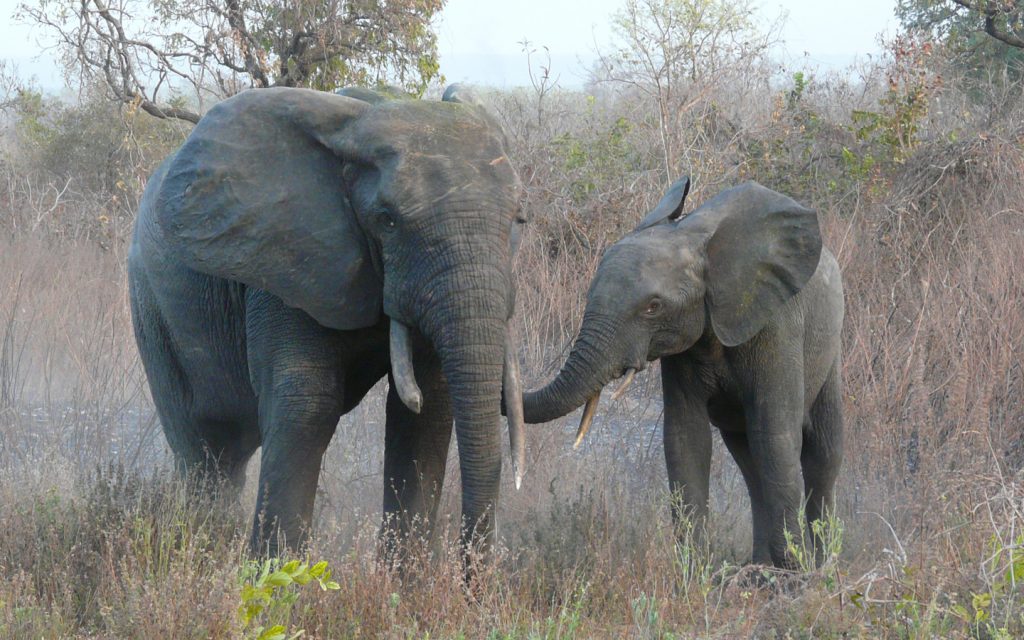
PPI OSCAN, the Small-scale Initiatives Program for Civil Society Organizations (CSOs) in North Africa, is a program that supports young associations who want to get involved in new environmental and sustainable development issues through innovative field initiatives. The overall objective of the PPI OSCAN is to strengthen the technical, administrative and financial capacity of CSOs in four North African countries (Algeria, Libya, Morocco and Tunisia) so that they can develop concrete field initiatives in the short term and be able, in the longer term, to contribute to the implementation of national strategies and action plans for biodiversity conservation and restoration, the sustainable management of natural resources and the mitigation of climate change effects. Genesis of the PPI OSCAN program In 2013, the MAVA Foundation and the French Global Environment Facility (FFEM) decided to draw inspiration from the Small-scale Initiatives Programme (PPI) implemented by the IUCN French Committee since 2007, to setup a program with a similar approach but integrating the specificities of the North African region. This collaboration led to the creation of the PPI OSCAN Programme, coordinated by the IUCN Mediterranean Cooperation Centre, IUCN-Med based in Malaga (Spain). Launched in 2014, the first phase of the program received 248 proposals, among which 37 were selected in the four countries: Algeria, Libya, Morocco, and Tunisia. This first phase ended in 2017 and led to a second phase between 2018 and 2021. Like its predecessor, the PPI OSCAN 2 prioritizes emerging CSOs by giving them the opportunity to carry out their first project experience, and by providing fieldwork learning and coaching. Besides the 35 new CSOs selected in this second phase, 8 OSCs were picked up from the PPI OSCAN 1 to strengthen the long-term impacts of their projects, and give them additional responsibilities of mentorship towards the new organizations. Each funded project addresses at least one of these three themes: Species and ecosystem conservation; Co-management of terrestrial and marine protected areas; Ecotourism and sharing the benefits of nature. The synergies between the PPI OSCAN and the PPI Although each program has its geographical specificities, the PPI OSCAN and the PPI have many similarities in their approach, technical content, institutional and operational planning. This is why since 2019, IUCN-Med and the IUCN French Committee have initiated a cross-capitalization process of the two programs to analyse synergies and best practices in their approach to financing and supporting civil society work in Africa. The results of this sharing will later serve as an inspiration for the replication of this approach in conservation and sustainable development programs. In addition, both programs aim to support the network of their beneficiaries through the sharing and exchange of good practices. In this context, the regional meeting of the PPI OSCAN organised in Morocco in November 2019, hosted several actors from the PPI. CSOs from both programs are also participating to mutual webinars especially those working on similar themes and projects. Don’t hesitate to explore the 80 projects and OSC funded by the PPI OSCAN on its website, Facebook page and YouTube channel!
Le PPI-OSCAN : protagoniste de l’engagement de la société civile en Afrique du Nord
Le PPI-OSCAN, Programme de Petites Initiatives pour les Organisations de la Société Civile (OSC) d’Afrique du Nord, est un programme qui soutient les jeunes associations voulant s’impliquer dans les nouveaux enjeux de l’environnement et du développement durable à travers des initiatives innovantes de terrain. L’objectif général du PPI-OSCAN est de renforcer la capacité technique, administrative et financière des OSC dans quatre pays d’Afrique du Nord (Algérie, Libye, Maroc et Tunisie), afin qu’elles soient en mesure de développer à court terme des initiatives concrètes de terrain et qu’elles soient capables, à plus long terme, de contribuer à la mise en œuvre de stratégies et de plans d’actions nationaux de conservation et valorisation de la biodiversité, de gestion durable des ressources naturelles et d’atténuation des effets du changement climatique. Genèse du programme PPI OSCAN En 2013, la Fondation MAVA et le Fonds Français pour l’Environnement (FFEM) ont décidé de s’inspirer du Programme de Petites Initiatives (PPI) mis en œuvre par le Comité français de l’UICN depuis 2007, pour créer un programme avec une approche similaire mais en tenant compte cependant des spécificités du contexte d’Afrique du Nord. Cette collaboration a donné lieu à la création du Programme PPI OSCAN dont la coordination a été confiée au Centre de Coopération pour la Méditerranée de l’UICN, l’UICN-Med. Lancée en 2014, la première phase du programme a reçu 248 propositions de projets d’OSC parmi lesquels 37 ont été retenus dans les 4 pays : Algérie, Libye, Maroc, et Tunisie. Cette première phase s’est terminée en 2017 et a donné lieu à une deuxième phase programmée entre 2018 et 2021. Comme son prédécesseur, le PPI OSCAN 2 donne priorité aux OSC émergentes en leur donnant la possibilité de réaliser leur premier projet, et en assurant l’encadrement et l’apprentissage par l’action sur terrain. En plus des 35 nouvelles OSC sélectionnées lors cette deuxième phase, 8 OSC du PPI OSCAN 1 ont également été reprises afin de renforcer les impacts de leurs projets, mais aussi de jouer elles-mêmes un rôle d’accompagnement auprès de ces nouvelles organisations. Chaque projet retenu répond à au moins une des trois thématiques suivantes : Conservation des espèces et des écosystèmes ; Cogestion des aires protégées terrestres et marines ; Écotourisme et partage des bénéfices de la conservation. Les synergies entre le PPI OSCAN et le PPI Bien que chaque programme présente des spécificités géographiques, le PPI OSCAN et le PPI présentent de nombreuses similitudes dans l’approche, le contenu technique et le montage institutionnel et opérationnel. C’est pourquoi depuis 2019, l’UICN-Med et le Comité français de l’UICN ont initié un processus de capitalisation croisée des deux programmes afin d’analyser les synergies et les bonnes pratiques dans leur approche de financement et d’accompagnement de la société́ civile travaillant à la protection de la nature. Le fruit de ce partage sur les acquis et les expériences des 2 programmes servira par la suite d’inspiration pour la réplication de cette approche dans les programmes de conservation et de développement durable. En outre les deux programmes travaillent en synergie pour soutenir le réseau de leurs bénéficiaires à travers un partage et un échange de bonnes pratiques. Dans ce cadre, plusieurs acteurs des deux programmes se sont rencontrés au Maroc en Novembre 2019 lors de la réunion régionale du PPI OSCAN. Divers webinaires ont également vu la participation de bénéficiaires des deux programmes travaillant sur des thématiques similaires. N’hésitez pas à explorez les 80 projets et OSC soutenues par le PPI OSCAN sur son site web, sa page Facebook, et sa chaîne YouTube !
Le Calend’Art 2021 est en ligne !
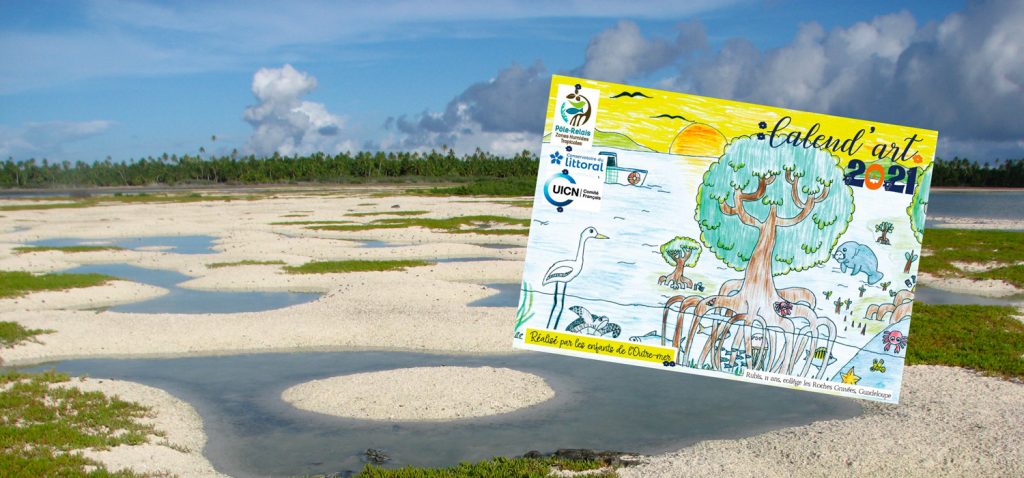
Chaque année depuis maintenant 4 ans, le Pôle-Relais Zone Humides Tropicales, co-piloté par le Comité français de l’UICN et le Conservatoire du littoral, lance son « Calend’art ». Un grand concours dessin sur le thème des zones humides à destination des établissements scolaires du primaire et secondaire, ainsi que du grand public. Ce calendrier sensibilise le grand public, jeune et moins jeune, à la conservation et protection des zones humides de l’Outre-mer français. Outre les dessins des grands gagnants, il contient des informations et anecdotes sur les zones humides ainsi que les dates importantes à retenir sur les événements liés à ces milieux. Les zones humides sont vitales, aussi bien pour la survie des nombreuses espèces animales et végétales qui en dépendent, que pour l’avenir de l’humanité de manière générale. Mais aujourd’hui encore, ces écosystèmes continuent de se dégrader rapidement et les espèces qui les peuplent disparaissent à un rythme tout aussi intense. En effet, les zones humides subissent de nombreuses pressions (urbanisation, agriculture intensive, pollutions, espèces invasives, changement climatique…etc) qui perturbent durablement, et souvent de façon irréversible, leur fonctionnement et les services qu’elles nous rendent. C’est pourquoi, le Pôle-Relais Zones Humides Tropicales a tenu à célébrer la richesse et l’importance de ces écosystèmes à travers son « Calend’art ». Mares, étangs, lacs, mangroves, tourbières… Les zones humides sont des écosystèmes riches et diversifiés et nos artistes en herbe ont su, cette année encore, faire honneur à cette diversité. Malgré une situation sanitaire compliquée et un rythme scolaire fortement impacté, 275 enfants et adolescents ont joué le jeu et ont pris le temps de représenter sur papier leur définition d’une zone humide. Sept territoires ont répondu présent : Mayotte, la Guadeloupe, la Polynésie, la Réunion, la Martinique, Saint Barthélemy et la Nouvelle-Calédonie ! Actif en Antilles françaises, Guyane, Mayotte, îles éparses, La Réunion, Nouvelle-Calédonie, Wallis-et-Futuna, et Polynésie française, le Pôle-Relais Zones Humides Tropicales accompagne, sensibilise et promeut des initiatives locales exemplaires sur les zones humides tropicales telles que les mangroves et les forêts marécageuses, afin d’encourager une meilleure protection de ces milieux par tous les acteurs. Plus d’informations – Découvrir le Calend’Art 2021– Le Pôle-Relais Zones Humides Tropicales– Le programme Outre-mer du Comité français de l’UICN Photo de la Lagune Nord Raitahiti Kaukura © Jean-François Butaud
La journée mondiale des zones humides 2021 !
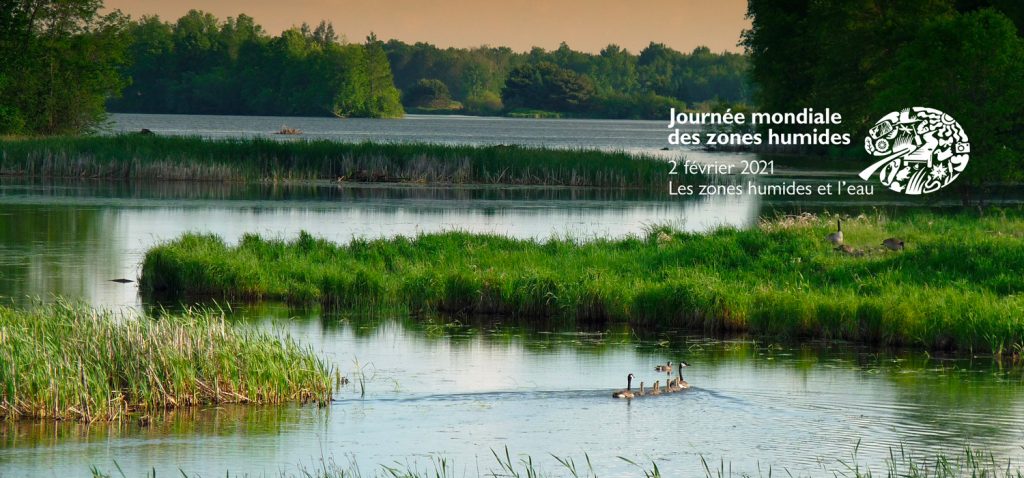
Chaque année, depuis 50 ans, le 2 février est célébrée l’adoption de la Convention internationale sur les zones humides, ou Convention de Ramsar, avec la Journée Mondiale des Zones Humides (JMZH). L’édition 2021 se déroulera du 30 janvier au 28 février, et aura pour thème « Zones humides et eau » choisi par le secrétariat de la convention de Ramsar. « L’eau est indispensable à la vie » Elle est l’une des composantes essentielles des êtres vivants et des écosystèmes. Il n’y a pas de zones humides sans eau et pas d’eau sans zones humides. Ainsi, il est important de préserver les zones humides pour garantir l’accès en quantité et en qualité à la ressource rare qu’est l’eau. Elles jouent un rôle de premier plan dans le cycle de l’eau. Elle stockent l’eau en période d’inondation et la restitue en période de sécheresse. Découvrir ici plus en détails en quoi les zones humides sont des éponges, des reins ou encore des amortisseurs face à l’augmentation des risques naturels liés au changement climatique. Des animations dans toute la France Cette journée est l’occasion pour les acteurs de l’eau et des espaces naturels, associations de protection de l’environnement, collectivités, entreprises, agriculteurs, pêcheurs, chasseurs, office de tourisme de partager avec le plus grand nombre leurs passions pour ces milieux entre terre et eau. Le programme ne rassemble pas seulement les animations (ballade nature, ateliers, etc.) du 2 février mais bien l’ensemble des manifestations gravitant autour de cette journée entre fin janvier et fin février. Vous pouvez connaitre les animations ou les centres d’accueil et d’éducation aux milieux humides le plus proche de chez vous en un clic ici pour sur l’application mobile “BaladOmarais”. Chaque année, dans les Outre-mer, le Pôle Relais Zones Humides Tropicales (PRZHT), co-animé par le Comité français de l’UICN, prend part à cet événement en mobilisant les acteurs ultramarins. 1971-2021 : un demi-siècle de préservation des zones humides En 2021, la convention de Ramsar sur les zones humides fête ses 50 ans. Signée par 18 pays le 2 février 1971, en Iran, elle a depuis été ratifiée par de nombreux pays. Ce sont désormais 171 pays qui se sont engagés à préserver les zones humides en inscrivant plus de 2400 zones humides d’importance internationale sur la liste des sites Ramsar ; une surface cumulée équivalente à celle de l’Argentine. Cet anniversaire est l’occasion de rappeler que plus que jamais les zones humides sont importantes. La France a perdu 50 % de ses zones humides depuis 1960. Pourtant elles sont des écosystèmes abritant une biodiversité remarquable et souvent menacée, elles sont indispensables à la protection des ressources en eau, et elles fournissent des solutions concrètes pour lutter et nous adapter aux effets des changements climatiques. 2021, la super année pour la biodiversité Du 3 au 11 septembre 2021, la France accueillera le Congrès mondial de la nature de l’UICN à Marseille (Parc Chanot). Il constitue le grand rendez-vous international avant la COP15 de la Convention sur la Diversité Biologique qui se tiendra en Chine, évènement majeur qui révisera les objectifs internationaux de la biodiversité (objectifs d’Aïchi) et l’engagement des 196 Etats Parties à la Convention pour la période 2021 – 2030. Face aux menaces, la préservation des milieux humides et leur utilisation durable devient un enjeu prioritaire pour garantir notre avenir. Plus d’informations – Site internet de la convention Ramsar– Accéder au Portail national des zones humides– Toutes les animations sont disponibles sur le moteur de recherche en ligne– Télécharger l’application mobile “BaladOmarais”– Le site internet du Pôle relais zones humides tropicales– Le Congrès mondial de la nature de l’UICN
Covid-19 : Un fonds d’urgence du PPI aide 6 projets de conservation en Afrique
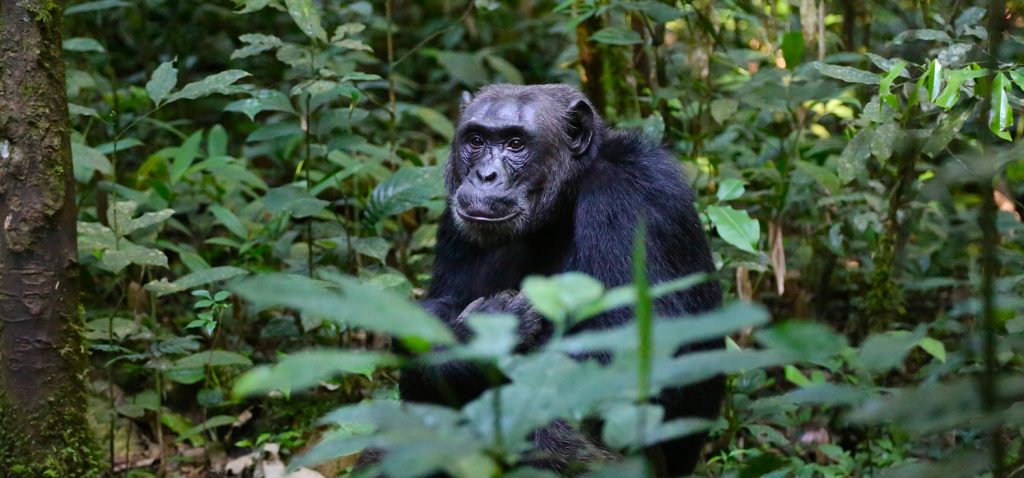
Le Programme de Petites Initiatives (PPI), géré par le Comité français de l’UICN a créé un fonds d’urgence pour limiter les impacts de la crise sanitaire et sécuriser les acquis pour la conservation de la biodiversité en Afrique Subsaharienne. En effet, lors de la pandémie mondiale certains espaces naturels et certaines espèces ont pu profiter de la réduction des pressions liées aux activités humaines, mais cela n’a pas été toujours le cas dans certaines régions d’Afrique. Le retour des habitants des grandes métropoles dans leur village d’origine, le ralentissement de l’économie ayant provoqué une baisse de leurs revenus, et la réduction des moyens pour la gestion des aires protégées (liée en partie à l’absence de revenus issus du tourisme) n’ont fait qu’accroitre la pression sur les ressources naturelles et les espèces menacées, comme les grands singes ou les tortues marines. Pour ce fonds d’urgence, un appel à proposition lancé par le PPI a permis de sélectionner 6 projets, financés à une hauteur de 3500€ Ces projets se dérouleront au Bénin, au Cap-Vert, au Gabon, au Niger, en République Démocratique du Congo et au Sénégal principalement pour faire face à une recrudescence du braconnage ou encore mettre en place des mesures qui réduisent le risque potentiel de transmission du virus aux populations de Grands Singes. « C’est la première fois que nous mettons en place un tel dispositif de réponse à la crise actuelle. Il est important d’accompagner les organisations locales en leur apportant rapidement des moyens matériels et humains qui vont leur permettre de reprendre le contrôle et ne pas compromettre les résultats acquis jusque-là pour la préservation de la biodiversité ». Nicolas Salaün, Chargé de programme « Coopération internationale » du Comité français de l’UICN Une réponse urgence permettant de financer des actions concrètes et rapides Ce projet vient répondre à la situation inattendue due à la pandémie mondiale. Lors de l’élaboration de notre projet nous n’avions pas prévu de mesures particulières afin de prévenir la propagation de la maladie. Elle pourrait cependant menacer la survie des gorilles des Grauer et des chimpanzés présents dans les concessions forestières des communautés locales avec lesquelles nous travaillons » Maurice Nsase de l’ONG FODI en RDC Au Sénégal, la fermeture des frontières a contraint les pêcheurs de concentrer leurs efforts de pêche sur la côte nationale notamment dans des zones habituellement protégées comme la réserve ornithologique de Kalissaye : « La forte concentration d’acteurs, d’embarcations et d’engins entraine une surexploitation des ressources halieutiques qui doit à tout prix être contrôlée et encadrée rapidement avant que la situation ne devienne irréversible », souligne le conservateur de la réserve. Plus d’informations – Lire le communiqué de presse– Le Programme Coopération internationale du Comité français de l’UICN– Le Programme de Petites Initiatives
Cri d’alarme sur les dégradations de la biodiversité à Mayotte
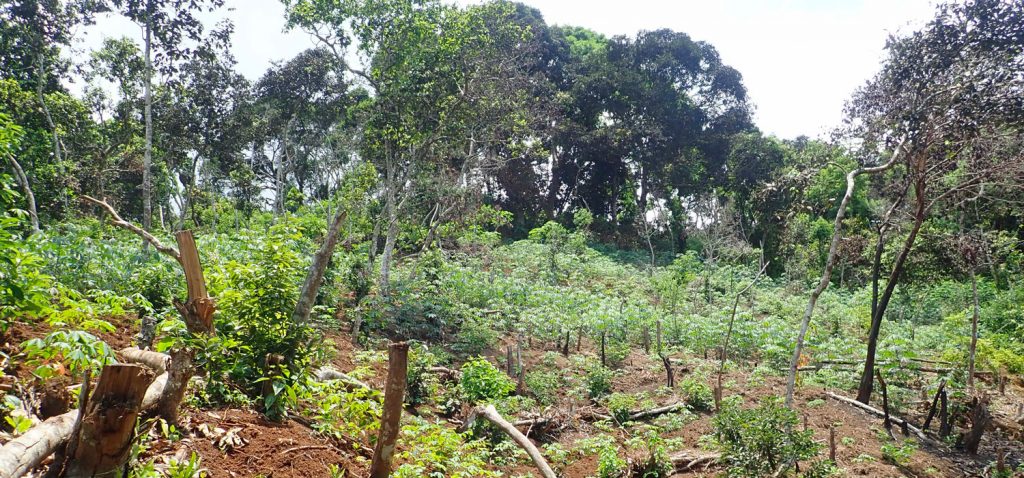
Les défrichements de la forêt de Mayotte provoquent une disparition de la biodiversité, une érosion des sols, une réduction de la ressource en eau et une sédimentation accrue d’un des plus beaux lagons du monde : ce sont l’ensemble de ces dégradations que pointent du doigt le Conseil National de Protection de la Nature (CNPN) et le Conseil Scientifique du Patrimoine Naturel (CSPN) de Mayotte dans une motion conjointe publiée le 5 janvier 2O21. Ce cri d’alarme sur la destruction de la biodiversité et du patrimoine naturel de Mayotte est lancé six mois après celui du Comité français de l’UICN, qui alertait en juin dernier sur la déforestation galopante suite à la publication de nouvelles données sur le couvert forestier. Une lettre ouverte largement relayée dans les médias faisait alors état d’un défrichement forestier de 1500 ha au cours de la période 2011-2016, hissant Mayotte au triste rang du département le plus déforesté de France- à des niveaux similaires à ceux de l’Indonésie ou de l’Argentine ! La motion du CNPN souligne les conséquences catastrophiques de pratiques agricoles incontrôlées sur la forêt et d’autres milieux ou espèces végétales et animales iconiques du territoire (crabier blanc, tortues marines, dugong, plantes endémiques), mais aussi sur les services rendus par les forêts en matière de ressource en eau et de rétention des sédiments. « Ces profondes dégradations impactent directement la vie des mahorais et contribuent chaque jour à réduire la qualité des services rendus par la nature », souligne la motion. « Ces fragiles équilibres ne tiennent plus qu’à un fil ». Afin de renverser cette tendance dramatique, le CNPN propose une mobilisation forte de l’ensemble des acteurs pour arrêter le saccage de la biodiversité de Mayotte. Le Comité français de l’UICN avait proposé en juin dernier de créer rapidement la Réserve Naturelle Nationale des forêts de Mayotte, de réviser le code forestier et d’augmenter l’effort de surveillance des forêts publiques et privées. La protection des forêts au sein des documents d’urbanisme et d’aménagement du territoire, le développement de l’agroforesterie de manière adaptée au contexte de Mayotte, et la généralisation des actions de restauration des milieux naturels sont également nécessaires. Un projet a été proposé en ce sens par le Comité français en partenariat avec Mayotte Nature Environnement et le département de Mayotte, visant à sensibiliser les scolaires, échanger sur des pratique culturales innovantes, et restaurer la forêt au sein des zones agricoles et urbaines, en lien avec des associations locales. La Réserve Naturelle Nationale des forêts de Mayotte protégera 2 800 hectares, et la soumission récente de 1 500 ha supplémentaires en forêt publique est une avancée à concrétiser au plus vite. Le territoire français de Mayotte, situé au sein d’un point chaud de la biodiversité associant Madagascar et des îles alentour, abrite sur 370 km² seulement de surface terrestre plus de 700 espèces indigènes, dont 59 qu’on ne trouve qu’à Mayotte. Au vu de la destruction dramatique des écosystèmes des autres îles de l’archipel des Comores, il est particulièrement important de préserver ce patrimoine naturel exceptionnel. Plus d’informations – La motion conjointe du CNPN et du CSPN (janvier 2021)– Retour l’article « Alerte sur la déforestation à Mayotte »– La lettre ouverte du Comité français de l’UICN alertant sur la déforestation à Mayotte (juin 2020) – Nos actions à Mayotte Photos © CD976/SRF
Bonne année 2021 !
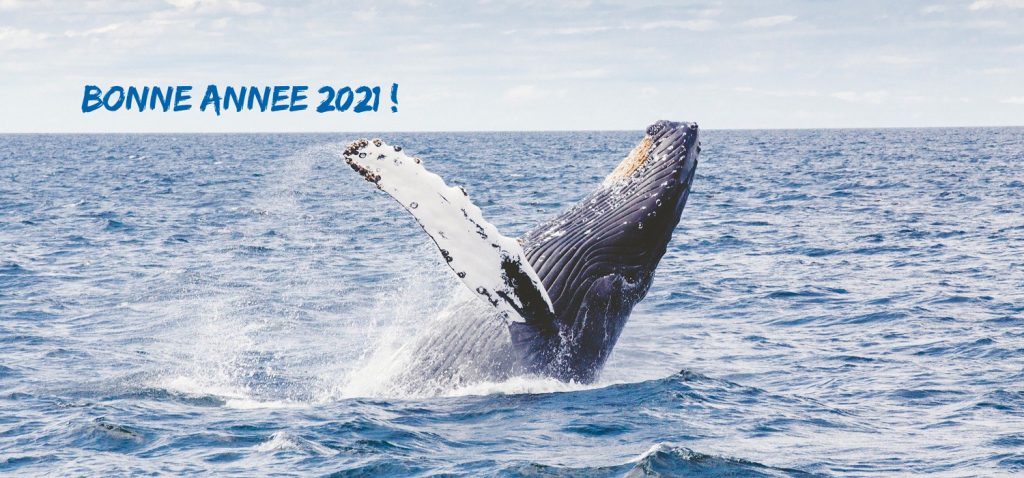
Au nom du Comité français de l’UICN, nous vous adressons tous nos meilleurs vœux pour cette année 2021 que nous espérons décisive pour la biodiversité !Outre les avancées des nombreuses actions engagées au sein de nos programmes, commissions et groupes de travail, nous poursuivons notre mobilisation pour la réussite du Congrès mondial de la nature de l’UICN et de la COP15 Biodiversité.Nous devons faire progresser ensemble la conservation de la biodiversité, après une année 2020 qui nous a rappelé combien nous avions besoin d’une planète davantage préservée, résiliente et durable !Maud Lelièvre, Présidente & Sébastien Moncorps, Directeur